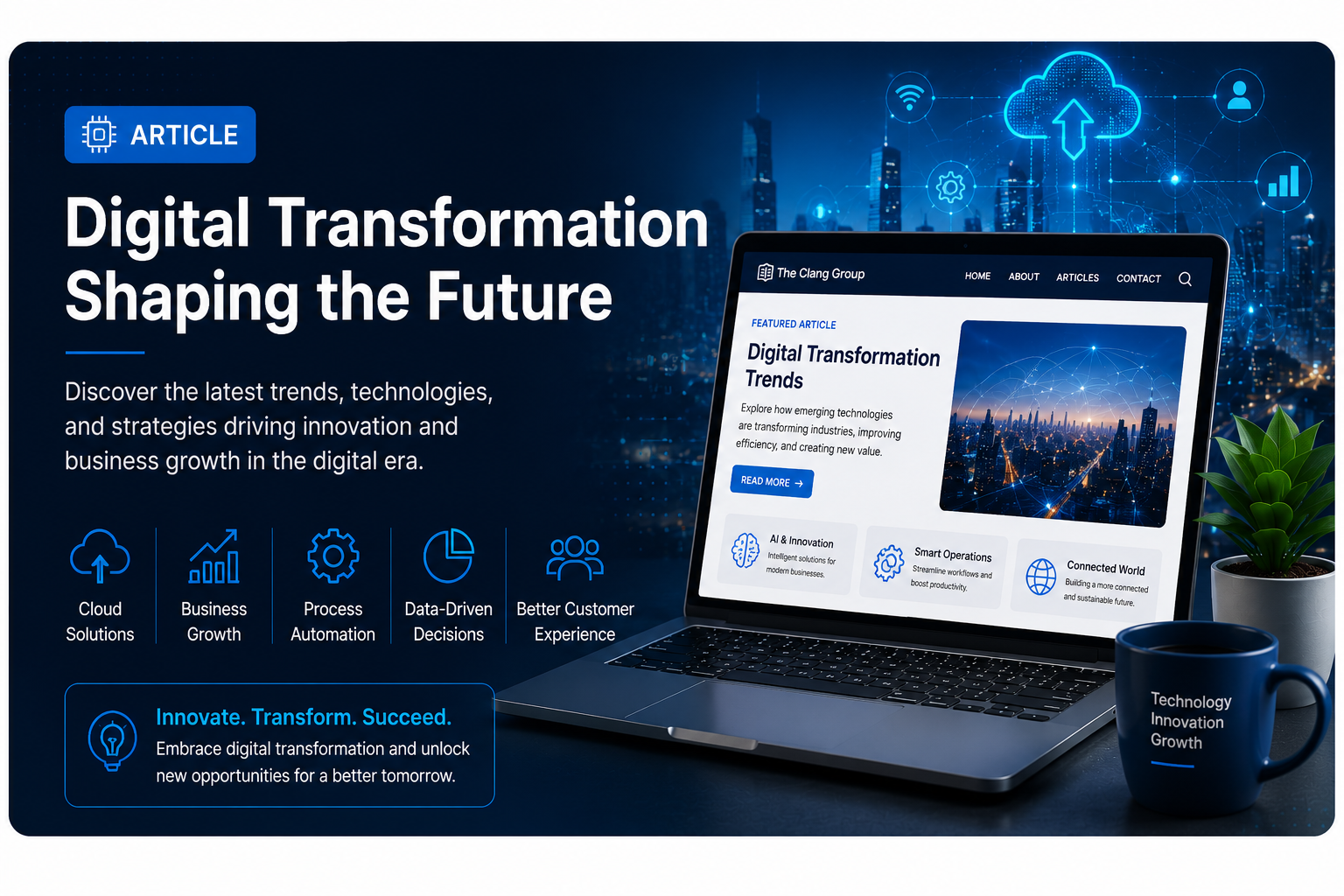
Digital Transformation Trends
Digital transformation has become one of the most important developments in modern business and technology. Organizations across industries are increasingly adopting digital solutions to improve efficiency, enhance customer experiences, and remain competitive in rapidly changing markets.
Rather than simply implementing new software, digital transformation represents a broader shift in how organizations operate, communicate, and deliver value. It involves integrating technology into business processes, decision-making, and long-term strategic planning.
Understanding Digital Transformation
Digital transformation refers to the integration of digital technologies into various aspects of organizational operations. This process often involves redesigning workflows, improving customer interactions, and embracing innovative technologies that support growth and efficiency.
Successful transformation requires a combination of technology adoption, organizational change, and continuous improvement efforts.
The Role of Cloud Computing
Cloud computing has become a key component of digital transformation strategies. Cloud-based services provide flexible infrastructure, scalable resources, and improved collaboration opportunities for organizations of all sizes.
Businesses can access data, applications, and services remotely, allowing teams to work more efficiently regardless of location.
Automation and Efficiency
Automation technologies help organizations streamline repetitive tasks and reduce manual workloads. Automated systems improve operational efficiency while allowing employees to focus on higher-value activities that require creativity and strategic thinking.
Many industries use automation to improve productivity, accuracy, and consistency across business processes.
Data-Driven Decision Making
Modern organizations generate significant amounts of data through digital platforms and operational systems. Analyzing this information allows leaders to identify trends, measure performance, and make informed decisions.
Data analytics has become an essential tool for improving customer experiences, optimizing operations, and identifying new opportunities.
Customer Experience Innovation
Digital transformation often focuses on enhancing customer interactions. Businesses use digital platforms, personalized services, and advanced communication tools to improve engagement and satisfaction.
Providing convenient, efficient, and accessible experiences has become a major priority across industries.
Remote Collaboration Technologies
The rise of remote and hybrid work environments has accelerated the adoption of collaboration technologies. Video conferencing, cloud-based productivity tools, and digital communication platforms enable teams to work together regardless of physical location.
These technologies support flexibility while maintaining organizational productivity and connectivity.
Cybersecurity Considerations
As organizations become more digitally connected, cybersecurity becomes increasingly important. Protecting sensitive information, maintaining system integrity, and reducing security risks are essential aspects of successful transformation initiatives.
Strong security practices help organizations build trust while protecting valuable digital assets.
Emerging Technologies
Artificial intelligence, machine learning, blockchain solutions, and advanced analytics continue to shape the future of digital transformation. These technologies offer new opportunities for innovation and competitive advantage.
Organizations that embrace emerging technologies responsibly are often better positioned to adapt to future market changes.
Challenges and Opportunities
Digital transformation presents both opportunities and challenges. Organizations must manage technology investments, employee training, process changes, and cultural adaptation while pursuing innovation goals.
Long-term success often depends on leadership commitment, strategic planning, and continuous learning.
Conclusion
Digital transformation is reshaping industries and redefining how organizations operate in an increasingly connected world. By embracing technology, innovation, and data-driven strategies, businesses can improve performance and create new opportunities for growth.
As technology continues to evolve, organizations that prioritize adaptability and innovation will be better prepared to navigate future challenges and opportunities within the digital economy.